
 By Admin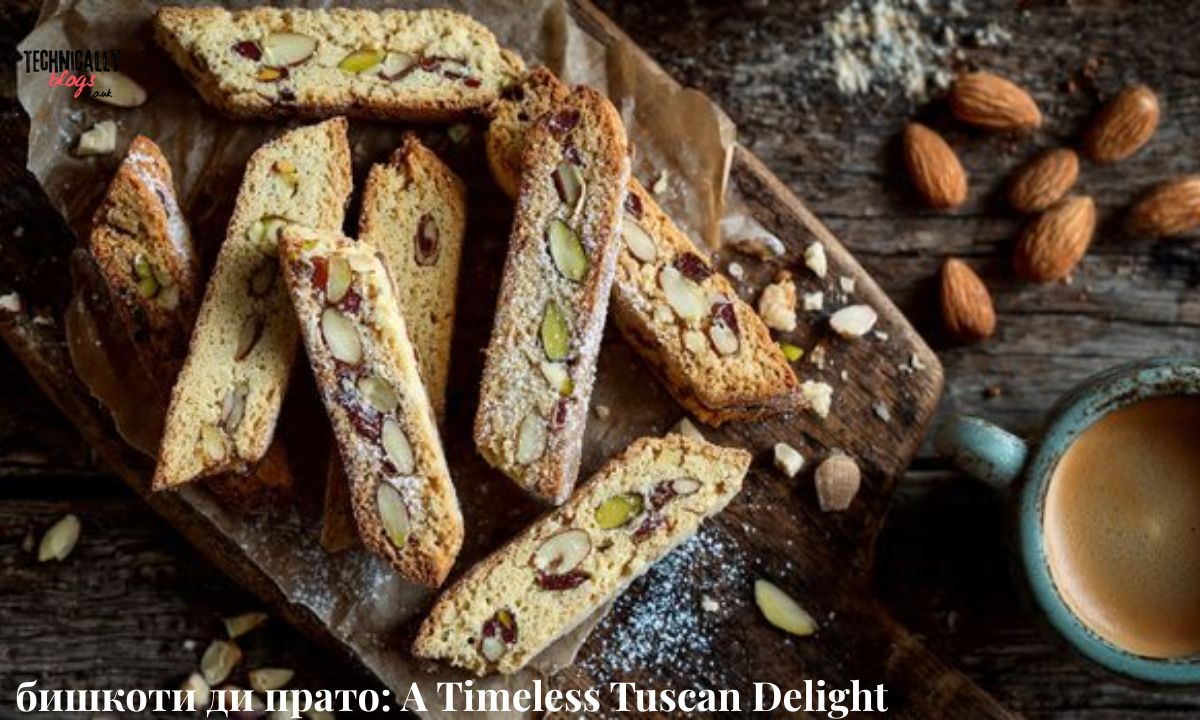
бишкоти ди прато, widely known as biscotti di Prato, is a classic Tuscan cookie. It is crisp, light, and beautifully simple. These twice-baked cookies are famous for their golden color and delicate almond flavor.
The texture is firm. The flavor is clean and honest. Many enjoy them with coffee, tea, or the traditional Italian Vin Santo wine.
These cookies are more than a dessert. They represent a piece of Tuscany’s heart. When you bite into them, you taste history, culture, and tradition.
The Origin and History of бишкоти ди прато
бишкоти ди прато originated in Prato, a small Tuscan town known for its rich culinary heritage. The recipe dates back to the early 19th century. Local bakers designed these cookies to last long without losing flavor.
Their twice-baked method created a crisp texture that stayed fresh for weeks. This made them perfect for travelers, merchants, and families who stored baked goods for long periods.
These cookies quickly became part of local celebrations. People served them at weddings, holidays, and religious feasts. Over time, they became a symbol of warm hospitality.
By the 20th century, biscotti di Prato spread across Italy and eventually reached kitchens worldwide. Today, they remain a favorite treat that connects modern bakers with Prato’s past.
Ingredients and Preparation of бишкоти ди прато
бишкоти ди прато is known for its simple ingredients. There are no oils, butter, or artificial flavors in the traditional recipe. This simplicity makes the almond flavor shine.
Common ingredients include:
- Flour
- Sugar
- Eggs
- Whole or sliced almonds
- A pinch of salt
- Sometimes vanilla or anise
Making biscotti carries a special rhythm. First, eggs and sugar are whisked until pale. Then flour and salt are added. Almonds come last so they stay whole.
The dough is shaped into logs. These logs are baked until lightly golden. After cooling slightly, they are sliced diagonally. The slices are baked again to create the signature crisp texture.
Each step matters. Each detail preserves the classic Tuscan character of the cookie.
Traditional vs. Modern Variations of бишкоти ди прато
Traditional бишкоти ди прато uses only almonds. The flavor is pure and elegant. The texture is crisp yet not too hard. Many people prefer the traditional version because it reflects the original Tuscan recipe.
Modern adaptations are more playful. Bakers experiment with new ingredients and flavors. Some popular additions include:
- Pistachios
- Hazelnuts
- Chocolate chips
- Orange zest
- Cranberries
- Almond extract
- Vanilla sugar
These variations keep the classic shape and technique. But they introduce new tastes for a global audience. Modern bakers enjoy blending tradition with creativity.
Even with all the innovations, the traditional almond biscotti remains the most respected version. It represents the true identity of Prato.
Pairing бишкоти ди прато with Drinks: Wine, Coffee
Pairing biscotti with drinks is a simple joy. The crisp cookie becomes softer and more aromatic when dipped.
The most classic pairing is Vin Santo, a sweet dessert wine from Tuscany. The almond flavor of the cookie and the honey notes of the wine create a perfect harmony.
Coffee lovers also enjoy biscotti with espresso or cappuccino. The bold coffee enhances the nutty taste.
Herbal teas are a gentle pairing. Chamomile or floral blends soften the crunch and highlight the cookie’s natural sweetness.
Each drink offers a new experience. The cookie becomes more versatile with every sip.
History and Contemporary Developments
бишкоти ди прато has traveled through centuries. It has changed, yet stayed true to its roots.
In the past, it was strictly a local specialty. Today, it is a global dessert found in bakeries worldwide. Social media has also helped. Food creators share recipes, photos, and creative versions.
Artisanal bakeries in Italy still use the old methods. They bake with care and preserve the original recipe. Modern bakeries add twists yet respect the history.
Today, biscotti di Prato represents both old and new Tuscany. It stands between tradition and innovation.
Cultural Significance & Identity
бишкоти ди прато is more than food. It is a cultural symbol of Prato.
Families in Tuscany serve these cookies at gatherings, birthdays, and holidays. They represent friendship, generosity, and unity. Sharing biscotti is a gesture of warmth.
Many Italians recall childhood memories connected to these cookies. The aroma of almond and baked dough reminds them of grandparents’ kitchens.
Tourists visit Prato to taste the original biscotti. They learn about the region’s traditions and connect with the local culture.
This cookie represents Tuscan values: simplicity, authenticity, and quality over quantity.
Comparison Table: Traditional vs. Modern Biscotti di Prato
| Feature | Traditional бишкоти ди прато | Modern Variations |
| Main Flavor | Almond | Almond + additions (chocolate, fruit, nuts) |
| Texture | Very crisp | Crisp or slightly softer |
| Ingredients | Minimal, classic | Expanded ingredients |
| Purpose | Tradition, heritage | Creativity, global tastes |
| Popularity | Timeless | Growing steadily |
Frequently Asked Questions
Are бишкоти ди прато the same as regular biscotti?
No. Regular biscotti may use butter and many flavors. бишкоти ди прато follow a simple, almond-based traditional recipe.
Why are they baked twice?
Double baking gives them their famous crisp texture and long shelf life.
How long do бишкоти ди прато stay fresh?
They stay fresh for several weeks when stored in an airtight container.
Can I make them without nuts?
Yes. You can remove nuts or replace them with chocolate chips or dried fruit.
What is the best drink to pair them with?
Vin Santo is the classic choice. Espresso is also excellent.
Conclusion
бишкоти ди прато remains a timeless Tuscan treasure. Its simple ingredients, unique baking technique, and rich history make it unforgettable. The cookie connects generations and carries Tuscany’s spirit into every home.
Whether enjoyed in its traditional form or in a modern variation, it always brings a moment of comfort and pleasure. Paired with wine or coffee, it becomes more than a snack — it becomes an experience.
This beloved treat stands as a symbol of Italian craftsmanship. With every bite, you taste tradition, culture, and the warmth of Tuscan hospitality.